Glossary

SAND IN VEIN

The expression “sand in the vein” refers to the presence of sand or gravel lodged within the digestive vein of the shrimp, which runs along its body.

This condition can occur when shrimp ingest sand or sediment particles from the environment in which they live. The presence of sand in the shrimp’s vein can affect the texture and taste of its meat, as these materials can interfere with the quality of the final product.

To prevent this problem, it is important to maintain farming and handling practices that minimize the shrimp’s exposure to sediments in their natural environment and ensure careful handling during all stages of processing to avoid contamination with sand or other unwanted materials.

SHRIMP DEFECTS

SANITARY INSPECTION

Sanitary inspection: Assessment and examination of shrimp products to ensure compliance with hygiene and safety standards.

HEALTH AND DISEASE

SEAFOOD

Seafood is a broad and encompassing term that refers to a diverse array of aquatic creatures harvested from the world’s oceans, rivers, lakes, and other water bodies. Seafood plays a vital role in global cuisine, offering a rich tapestry of flavors and culinary possibilities.

The term “seafood” covers a wide spectrum of marine life, including fish, shellfish, and crustaceans like shrimp and crab. These creatures are celebrated for their unique textures and flavors, making them a central part of many traditional and modern dishes worldwide.

One of the remarkable aspects of seafood is its incredible diversity. From succulent salmon and delicate scallops to briny oysters and sweet lobster, the range of seafood options available is extensive. This diversity allows for an endless variety of preparations, from simple grilling and steaming to complex gourmet creations.

Seafood is not only cherished for its culinary appeal but also recognized for its nutritional value. It is a rich source of high-quality protein, omega-3 fatty acids, and essential vitamins and minerals, making it a healthy choice for many diets.

Sustainability is a significant focus in the seafood industry, with efforts to ensure the responsible harvesting and farming of these aquatic resources. Sustainable practices help protect marine ecosystems and ensure the long-term availability of seafood for future generations.

In conclusion, seafood encompasses a wide range of aquatic delicacies that contribute to the rich tapestry of global cuisine. Its diverse flavors, textures, and nutritional benefits make it a beloved choice for many, and sustainability efforts are crucial to preserve these treasures from the sea for generations to come.

INDUSTRY TERMS

SELECTIVE HARVESTING

The term “Selective Harvesting” refers to a practice in the aquaculture and fishing industry in which certain individuals or groups of organisms are carefully chosen for extraction while others are left untouched. This practice aims to sustainably manage marine resources and reduce the environmental impact of fishing and aquaculture. Below are some key aspects related to the term “Selective Harvesting”:

  1. Sustainability: Selective harvesting is based on principles of sustainability and resource conservation. Its main objective is to prevent overexploitation of marine organism populations and ensure the long-term survival of species.
  2. Reduction of Bycatch: In commercial fishing, selective harvesting is used to reduce the accidental capture of unwanted or juvenile species that do not meet size or quality requirements. This contributes to the conservation of fish and other organism populations.
  3. Quality Improvement: In aquaculture, selective harvesting is conducted to obtain high-quality individuals of the desired size. This ensures higher-quality end products with greater value in the market.
  4. Target Size and Species: Selective harvesting involves the careful selection of individuals that meet specific criteria, such as the desired size or target species. Specific methods, such as traps, modified nets, or size separators, can be used.
  5. Waste Reduction: By avoiding the capture or collection of unwanted or lower-quality organisms, selective harvesting reduces waste and promotes more efficient use of marine resources.
  6. Regulatory Compliance: Selective harvesting is subject to regulations and standards to ensure responsible and sustainable practices. This includes catch limits, minimum sizes, and other restrictions.
  7. Conservation of Habitats: In addition to individual selection, selective harvesting may also be related to the protection of critical marine habitats, such as coral reefs or spawning areas.
  8. Environmental Benefits: Selective harvesting can contribute to the conservation of marine biodiversity and the preservation of healthy marine ecosystems by reducing pressure on marine organism populations.

In summary, selective harvesting is an essential practice to promote sustainability in fishing and aquaculture, minimize waste, and protect marine ecosystems. It contributes to the responsible management of marine resources and the conservation of species and marine habitats.


FARMING PRACTICES

SEPARATED HEAD

The condition of “separated head” refers to the deterioration of the firmness of the shrimp’s head, which results in it detaching from the main body muscle.
This defect can occur due to various factors, such as improper processing, rough handling during harvesting, or prolonged storage.
When the shrimp’s head detaches from the muscle, it negatively affects the visual presentation of the product and may indicate inferior quality.
To prevent separated head, it is crucial to implement proper handling and storage practices that maintain the physical integrity of the shrimp from harvest to final marketing.
This includes maintaining appropriate temperatures, avoiding physical impacts, and ensuring careful processing to maintain the quality and freshness of the product.

SHRIMP DEFECTS

SEPARATED SHELL

“Separated shell” refers to the presence of the exoskeleton being lifted and separated from the flesh in some parts of the shrimp segment. This defect occurs when the shrimp has been mishandled during harvesting or the handling process. The lifted and separated exoskeleton from the flesh can indicate significant physical damage caused by rough handling, which compromises the visual quality and structural integrity of the shrimp.

To prevent separated shell, it is crucial to handle shrimp carefully from capture to final processing. This includes using appropriate handling and transportation techniques that minimize stress and physical damage to the shrimp.

SHRIMP DEFECTS

SHELL OF SHRIMPS

The protective exoskeleton covering the shrimp’s body. It can be hard and rigid or soft and flexible, depending on whether the shrimp is in a molted state.

SHRIMP FEATURES

SHELLFISH

Shellfish is a collective term used to describe a diverse group of aquatic invertebrates known for their protective outer shells or exoskeletons. These creatures are a cherished and integral part of the world’s seafood offerings, providing a unique and delicious culinary experience.

The category of shellfish includes several types of aquatic life, such as mollusks and crustaceans. Mollusks consist of bivalves like clams, mussels, and oysters, as well as cephalopods like squid and octopus. Crustaceans encompass crabs, lobsters, shrimp, and prawns. Each of these varieties has its own distinct characteristics and flavors.

One of the defining features of shellfish is their protective shells, which vary in shape, size, and hardness depending on the species. These shells encase the soft and flavorful flesh within, creating a unique contrast in texture and taste.

Shellfish are celebrated for their culinary versatility. They can be prepared in a multitude of ways, from simple steaming and grilling to more complex dishes such as paella, cioppino, or seafood bisque. Their taste profiles range from the briny, oceanic flavors of oysters to the sweet, succulent meat of lobster and crab.

Nutritionally, shellfish are a valuable source of protein, vitamins, and minerals. They are often recognized for their high content of vitamin B12, zinc, and iron, making them a nutritious addition to a balanced diet.

Efforts to promote sustainable harvesting and aquaculture practices for shellfish are becoming increasingly important to ensure the long-term availability of these delicacies and to protect the fragile ecosystems in which they thrive.

In summary, shellfish represent a diverse group of aquatic invertebrates with protective shells, offering a wide range of flavors and culinary possibilities. Their unique textures and taste profiles make them a prized component of global cuisine, and sustainability efforts are crucial to safeguard their availability for future generations.

SHRIMP FEATURES

SHIPPING LINE

A company that owns or operates vessels for transporting goods by sea, providing shipping services and schedules to various destinations.

SHIPPING AND LOGISTICS

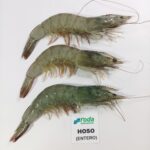
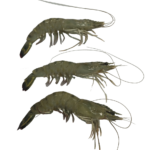
SHRIMP

Shrimp is a popular and versatile crustacean that has earned a special place in the world of seafood. Known for its delicate flavor and tender meat, shrimp is a culinary favorite enjoyed in various cuisines across the globe.

Shrimp are characterized by their elongated bodies, segmented exoskeletons, and distinctive curved tails. They come in various sizes, with larger species like the Tiger Shrimp and smaller ones like the Bay Shrimp, offering different taste experiences.

One of the remarkable aspects of shrimp is their culinary adaptability. They can be prepared in numerous ways, from grilling and frying to boiling and steaming. They readily absorb flavors, making them a versatile ingredient in a wide range of dishes, from spicy shrimp curry to classic shrimp scampi.

Shrimp are celebrated for their mild and slightly sweet flavor, which pairs well with various seasonings and sauces. Their tender texture and quick cooking time make them a convenient choice for both home cooks and professional chefs.

In addition to their culinary appeal, shrimp are also valued for their nutritional benefits. They are an excellent source of lean protein, vitamins, and minerals, including iodine, vitamin B12, and omega-3 fatty acids.

Efforts toward sustainable shrimp farming and fishing practices are essential to protect shrimp populations and minimize the impact on marine ecosystems. Sustainable practices help ensure a steady supply of this beloved seafood.

In summary, shrimp is a versatile and popular crustacean known for its mild flavor, tender meat, and adaptability in various cuisines. Whether grilled, boiled, or fried, shrimp remains a culinary favorite, and sustainability efforts are crucial to preserving their availability for future enjoyment.

INDUSTRY TERMS

Subscribe to Vannamei Tips

Are you in the Vannamei Business?

We are always looking for new partners. If you are looking for or selling products, please contact us!