We are always looking for new partners. If you are looking for or selling products, please contact us!
A method of packaging that removes air from the package before sealing, which can extend the product’s shelf life.
Processed shrimp products with additional features or ingredients, such as breaded shrimp, shrimp skewers, or shrimp cocktail, offer a diverse range of culinary options that cater to various tastes and preferences globally. These products undergo specific processing techniques or enhancements to add value and appeal to consumers looking for convenient, flavorful seafood choices.
These processed shrimp products exemplify how seafood can be transformed through creative culinary techniques, providing consumers with convenient and delicious options for meals and appetizers. Whether breaded for easy cooking, skewered for grilling, or served chilled with cocktail sauce, these variations showcase the versatility and popularity of shrimp in the global market.
Description:
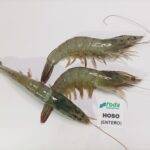
The Pacific White Shrimp, also known as the Camarón Blanco del Pacífico, is one of the most widely farmed and commercially important species globally. It was formerly known as Penaeus vannamei, but was reclassified under the genus Litopenaeus, reflecting advances in the taxonomic understanding of the species.
Aquaculture or Fishing:
This shrimp is mostly farmed in aquaculture, representing over 75% of the world’s farmed shrimp production. It is primarily raised in Latin America and Asia, with countries such as Ecuador, Thailand, India, and Vietnam leading its production.
Characteristics:
Commercial Importance:
The Pacific White Shrimp is the most traded shrimp species globally, with high demand in both fresh and frozen markets. Its popularity in aquaculture and low production costs make it a key player in the seafood industry.
Geographical Distribution:
It is native to the eastern Pacific, from northern Peru to the Gulf of California, Mexico. Today, it is farmed in aquaculture facilities around the world, particularly in Latin America and Asia.
Name Differences:
The change from Penaeus vannamei to Litopenaeus vannamei reflects better taxonomic understanding. In some regions, the old name may still be found, but the new one is more widely accepted internationally in the industry.
Distinctive Features:

LIVE FROZEN HOSO VANNAMEI SHRIMP 2kg Box Premium HOSO Aquaculture Live Frozen Shrimp from the Shores of Ecuador HOSO (Head […]
See Our products
COOKING QUALITY VANNAMEI Premium Cooking Quality Vannamei Shrimp from Venezuela European Market Standard Excellence: Experience the unparalleled quality of our […]
See Our productsVibriosis is a bacterial disease caused by Vibrio species, which affects shrimp and can lead to significant economic losses in shrimp farming. For businesses involved in shrimp aquaculture, understanding vibriosis and implementing effective prevention measures is crucial to maintaining healthy and high-quality shrimp populations.
Vibriosis is caused by various Vibrio species, including Vibrio harveyi, Vibrio parahaemolyticus, and Vibrio vulnificus. These bacteria are naturally present in marine environments and can become pathogenic under certain conditions, leading to outbreaks in shrimp farms. Vibriosis can cause high mortality rates, reduced growth, and poor shrimp quality.
Shrimp affected by vibriosis exhibit several symptoms, including:
Early detection of these symptoms is crucial for prompt intervention and management.
Water Quality Management
Maintaining optimal water quality is essential for preventing vibriosis. Regular monitoring and management of water parameters, such as temperature, salinity, pH, and dissolved oxygen, help create an environment that is less conducive to bacterial growth. Proper filtration and aeration systems can also reduce bacterial load in the water.
Biosecurity Practices
Implementing strict biosecurity measures minimizes the risk of introducing and spreading Vibrio bacteria. Quarantining new stock, disinfecting equipment, and controlling access to the farm are critical steps. Ensuring that feed and equipment are sourced from reputable suppliers further reduces the risk of contamination.
Probiotics and Immune Boosters
Using probiotics and immune boosters can enhance the shrimp’s natural defense mechanisms against Vibrio infections. Probiotics help maintain a healthy microbial balance in the shrimp’s gut, while immune boosters strengthen their overall health and resilience.
Vaccination
In some cases, vaccination against specific Vibrio strains can be an effective preventive measure. Although still under development, vaccines offer a promising solution for long-term control of vibriosis in shrimp farming.
Regular Health Monitoring
Regular health checks and monitoring of shrimp populations for signs of disease are crucial for early detection and management. Prompt identification of vibriosis allows for timely intervention, reducing the impact of the disease.
Vibriosis poses a significant threat to shrimp farming, but understanding the disease and implementing effective prevention measures can mitigate its impact. By maintaining optimal water quality, adopting biosecurity practices, using probiotics, and monitoring shrimp health, farmers can protect their shrimp from vibriosis and ensure high-quality production. These efforts contribute to the sustainability and profitability of shrimp farming operations.

LIVE FROZEN HOSO VANNAMEI SHRIMP 2kg Box Premium HOSO Aquaculture Live Frozen Shrimp from the Shores of Ecuador HOSO (Head […]
See Our products
HOSO BLACK TIGER LIVE FROZEN 2kg BRINE Premium HOSO Aquaculture Brine Shrimp from India HOSO (Head On, Shell On): Discover […]
See Our productsWe are always looking for new partners. If you are looking for or selling products, please contact us!