We are always looking for new partners. If you are looking for or selling products, please contact us!
Measures and initiatives aimed at preserving and safeguarding the marine environment and its ecosystems.

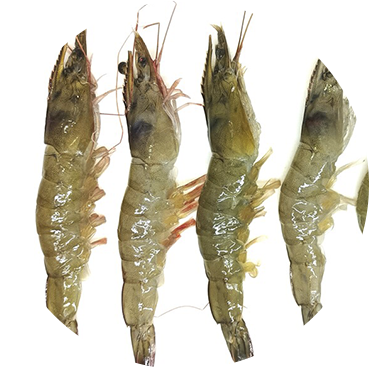
LIVE FROZEN HOSO VANNAMEI BRINE SHRIMP 2x6kg BULK Premium HOSO Aquaculture Live Frozen Brine Shrimp from India HOSO (Head On, […]
See Our productsIn the context of shrimps, a master carton refers to the larger container or box that holds multiple smaller packages or units of shrimp. It is used for transportation and storage purposes, allowing for easier handling and shipping of shrimp products.
The ratio of the edible portion (meat) to the total weight of the shrimp, indicating the amount of meat available for consumption.
Description:
The Mediterranean Prawn, scientifically known as Penaeus kerathurus, is an iconic species of the Mediterranean. This prawn is especially valued in Mediterranean cuisine for its juicy meat and versatility in preparation.
Aquaculture or Fishing:
The Mediterranean Prawn is primarily caught through traditional fishing along the coasts of Tunisia and other Mediterranean countries. Despite some aquaculture efforts, the majority of commercially available specimens come from wild catches.
Characteristics:
Commercial Importance:
This prawn is a key resource in Mediterranean fishing and is widely consumed in countries like Spain, Italy, and Tunisia. Its high demand makes it a star product in fresh seafood markets.
Geographical Distribution:
It is native to the Mediterranean and is found in coastal waters of Tunisia, Italy, Spain, and other areas of North Africa. The fishing of this species is primarily conducted in the Gulf of Gabès.
Name Differences:
In some regions, it is also referred to as the “Tunisian Prawn,” although its scientific name Penaeus kerathurus is more commonly used in the international industry.
Distinctive Features:
Refers to shrimp that have been mishandled or improperly processed, resulting in physical damage or breakage of parts of the shrimp’s body.
This can occur during harvesting, transportation, or processing stages. Common signs include fragmented shells, broken appendages, or torn body segments.

LIVE FROZEN HOSO VANNAMEI SHRIMP 2kg Box Premium HOSO Aquaculture Live Frozen Shrimp from the Shores of Ecuador HOSO (Head […]
See Our productsThe term “mixed species” refers to the situation in which shrimp of different species are inadvertently mixed during collection, transport, or processing. This mixing can occur due to improper practices in sorting, segregating, or handling during fishing, farming, or processing operations.
Mixed species shrimp can vary in size, color, texture, and flavor, which can result in inconsistencies in the quality of the final product and consumer expectations. This is especially relevant in markets where specific characteristics of certain shrimp species are valued.
To avoid the issue of mixed species, it is essential to implement proper management practices that include clear and effective separation of different species throughout all stages of the supply chain.
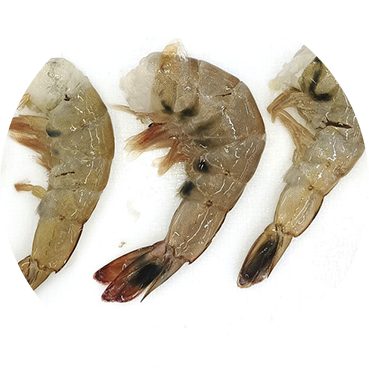
Melanosis consists of a blackish coloration on the shrimp’s cuticle, caused by the enzymatic reaction of oxidized polyphenol.
This defect is also known as “black spots” or “black spot.”
Melanosis occurs in all shrimp species and activates approximately 3 hours after the shrimp’s death.
Although it does not affect food safety, it reduces the visual quality of the product and can negatively impact its marketability.
To prevent melanosis, treatments with antioxidants such as ascorbic acid and sulfites are used during the processing and storage of shrimp.
The term “molting shrimp” refers to the final phase of the shrimp’s molting cycle, during which the shrimp’s exoskeleton is very soft and the shrimp is about to shed this old and hardened exoskeleton. During this natural process, the shrimp produces a new, larger, and harder exoskeleton to replace the previous one, which has become restrictive due to the shrimp’s growth.
It is important to note that shrimp in this state are very delicate and vulnerable to injuries and stress, so they must be handled with extreme care during harvesting and processing. The presence of molting shrimp can indicate a healthy growth cycle in shrimp populations and is a common phenomenon in both farming and wild capture operations.
We are always looking for new partners. If you are looking for or selling products, please contact us!