We are always looking for new partners. If you are looking for or selling products, please contact us!
ENVIRONMENT AND HABITAT
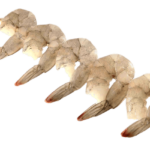
Shrimp processing involves various operations and procedures that transform raw shrimp into value-added products ready for consumption and distribution. These processes typically include cleaning, sorting, and packaging.
Shrimp processing is a vital part of the seafood industry. It focuses on converting harvested shrimp from its raw form into marketable and safe products. This process includes activities and techniques that enhance the quality, safety, and shelf life of shrimp for consumers.
Cleaning
The first step in shrimp processing is cleaning. This involves removing unwanted materials like shells, heads, and tails. Cleaning improves the shrimp’s visual appeal and removes potential contaminants.
Sorting and Grading
Next, shrimp are sorted and graded based on size, color, and quality. This ensures uniformity in the final product and allows for pricing differentiation.
Cooking or Blanching
Some shrimp products undergo cooking or blanching. This improves texture and taste and also eliminates harmful microorganisms, enhancing safety.
Deveining
Deveining involves removing the digestive vein, also known as the “sand vein.” This step enhances the product’s visual appeal and removes any potential grit.
Packaging
Processed shrimp are carefully packaged into various formats, such as fresh, frozen, or value-added products like shrimp cocktail, shrimp rings, or breaded shrimp. Proper packaging preserves freshness and extends shelf life.
Freezing
Many shrimp products are flash-frozen to maintain quality and ensure a longer shelf life. Freezing helps preserve flavor, texture, and nutritional value.
Quality Control
Throughout processing, rigorous quality control measures ensure the final product meets safety and quality standards. This includes inspections, microbial testing, and adherence to regulations.
Shrimp processing is crucial in the seafood industry for several reasons:
Market Access
Processed shrimp products are more accessible to consumers and have a longer shelf life, allowing them to reach global markets.
Value Addition
Processing adds value to shrimp, enabling manufacturers to command higher prices for products with added convenience and flavor.
Safety
Proper processing practices ensure shrimp products are safe for consumption by eliminating potential contaminants and pathogens.
Variety
Processing allows for a diverse range of shrimp products, catering to various consumer preferences.
Despite its importance, shrimp processing faces several challenges:
Maintaining Quality
Maintaining product quality during transportation and storage is challenging.
Waste Management
Managing waste generated during processing requires effective strategies.
Regulatory Compliance
Adhering to food safety regulations and standards is crucial but challenging.
Shrimp processing involves essential operations that convert raw shrimp into consumer-friendly and marketable products. This process enhances the quality, safety, and accessibility of shrimp in the global seafood industry. It offers a variety of options to consumers and significantly contributes to the economies of shrimp-producing regions.

PUD TAIL OFF BAG 1kg Premium PUD Aquaculture Shrimp without tail in 1kg Bag Our PUD Tail Off (Peeled Undeveined […]
See Our products
Value Addeed Shrimp Our Value-Added shrimp is a range of specialty shrimp products that have[…]
See Our productsWe are always looking for new partners. If you are looking for or selling products, please contact us!