We are always looking for new partners. If you are looking for or selling products, please contact us!
Supplying a nutritious and balanced diet to shrimp to promote healthy growth and improve meat quality.
Best Aquaculture Practices (BAP) is a certification program and standards system for responsible aquaculture practices. It is administered by the Global Aquaculture Alliance (GAA), a non-profit organization dedicated to promoting responsible aquaculture worldwide. The BAP certification program sets criteria and guidelines for aquaculture facilities to demonstrate responsible environmental, social, and animal welfare practices.
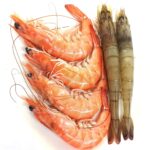
PPV 51/60 Premium PPV Aquaculture Shrimp with or without Tail Refined Seafood for Discerning Palates: Discover the ultimate convenience in […]
See Our products
PPV 61/70 Premium PPV Aquaculture Shrimp with or without Tail Elevate Your Culinary Experience: Indulge in the convenience and luxury […]
See Our productsBarcodes are visual representations of data that consist of a series of parallel lines, bars, or spaces of varying widths and patterns. They are widely used for automatic identification and data capture (AIDC) in various industries, including retail, logistics, manufacturing, and healthcare. Barcodes encode information in a machine-readable format, allowing for quick and accurate data retrieval using barcode scanners or barcode readers.
A negotiable instrument that serves as a written order by the exporter to the importer, requiring the importer to pay a specific amount on a specified date.
Biosecurity is a set of measures and practices designed to prevent the entry and spread of diseases in shrimp farms. For businesses involved in shrimp aquaculture, maintaining strict biosecurity protocols is crucial to ensure the health and quality of their products, as well as the sustainability of their operations.
Effective biosecurity is vital for protecting shrimp populations from pathogens and diseases that can cause significant economic losses. By implementing rigorous biosecurity measures, shrimp farmers can reduce the risk of outbreaks, enhance shrimp health, and improve overall productivity.
Quarantine Procedures
Quarantining new stock before introducing them to existing populations is essential. This practice helps ensure that new shrimp are free of diseases and do not pose a risk to the established farm. Isolation and observation during the quarantine period can prevent potential outbreaks.
Water Quality Management
Maintaining high water quality is critical for preventing the spread of pathogens. Regular monitoring and treatment of water help eliminate harmful microorganisms and reduce the risk of disease. Clean water also supports the overall health and growth of the shrimp.
Disinfection Protocols
Regular disinfection of equipment, ponds, and facilities is necessary to minimize the presence of pathogens. Using appropriate disinfectants and adhering to strict cleaning schedules can significantly reduce the risk of disease transmission.
Controlled Access
Limiting access to shrimp farms is an effective way to prevent the introduction of diseases. Implementing controlled entry points, biosecurity checkpoints, and visitor restrictions helps minimize the risk of external contamination.
Health Monitoring
Regular health checks and monitoring of shrimp for signs of disease are crucial. Early detection of health issues allows for timely interventions and reduces the spread of diseases within the farm.
Biosecure Feed and Equipment
Ensuring that feed and equipment are sourced from reputable suppliers with strong biosecurity practices is important. Contaminated feed or equipment can introduce diseases, so proper sourcing and handling are key components of biosecurity.
Adopting best practices in biosecurity involves continuous education and training for farm workers. Keeping up with the latest developments in disease prevention and management techniques ensures that farms remain resilient against potential threats. Additionally, creating a biosecurity plan tailored to the specific needs of the farm can enhance overall effectiveness.
Biosecurity is a critical aspect of shrimp farming that protects against the introduction and spread of diseases. By implementing comprehensive biosecurity measures, shrimp farmers can ensure the health and quality of their shrimp, support sustainable farming practices, and safeguard their economic interests. Regular monitoring, controlled access, and rigorous disinfection protocols are essential for maintaining a biosecure environment.

LIVE FROZEN HOSO VANNAMEI BRINE SHRIMP 1-2kg Box Premium HOSO Aquaculture Live Frozen Brine Shrimp from India HOSO (Head On, […]
See Our products
HOSO 80/100 2kg BOX Premium Venezuela's Vannamei 80/100 Shrimp in 2kg Box A Culinary Journey with Venezuelan Shrimp: Step into […]
See Our productsDescription:
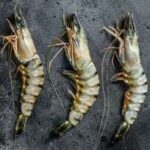
The Black Tiger Shrimp or Giant Tiger Prawn is one of the largest shrimp species and is highly valued in the market for its size and flavor. This shrimp, known for its distinctive black stripes on its shell, is native to the Indo-Pacific region but is now farmed in various parts of the world.
Aquaculture or Wild-Caught:
It is found in both wild-caught fisheries and aquaculture, although aquaculture production has increased significantly in recent decades, especially in countries like Thailand, India, and Bangladesh.
Characteristics:
Commercial Importance:
The Black Tiger Shrimp is one of the most valuable species in the international seafood trade, especially in premium markets that seek large shrimp. However, its production has declined in some areas due to its higher susceptibility to diseases compared to other species like Litopenaeus vannamei.
Geographic Distribution:
Native to the Indo-Pacific, from East Africa to Southeast Asia, this shrimp is widely farmed in Asia and Australia. Its presence in wild-caught fisheries is concentrated in the Indo-Pacific region.
Name Differences:
The name “Black Tiger Shrimp” is more common in American markets, while “Giant Tiger Prawn” is used in regions that follow British English or in parts of Asia and Australia. Both names refer to the same species (Penaeus monodon). Like vannamei, Penaeus monodon was initially classified under Penaeus, but this name has remained more stable and has not changed in modern scientific usage.
Distinctive Characteristics:

BLACK TIGER BRINE FROZEN 6x2kg Premium Black Tiger Brine Frozen Shrimp in 6x2kg from India Exquisite Taste of the Indian […]
See Our products
BLACK TIGER HOSO 40/50 to 70/80 BOX 800g Premium HOSO Black Tiger Shrimp in 800g Box from India Exquisite and […]
See Our products“Soft shell” refers to the soft or pliable texture of the shrimp’s exoskeleton, which can be caused by stress or the natural process of the shrimp’s size change.
During this period, the shrimp is in a vulnerable state due to the fragility of its developing exoskeleton. After completing this process, which can last from 3 to 4 days, the shrimp acquires a new, harder exoskeleton and returns to its normal texture.
It is crucial to handle soft shell shrimp carefully to avoid damage and ensure they have adequate conditions to successfully complete the molting process.
This includes providing a stable and stress-free environment during this critical period of growth and development.
A type of ship used to transport unpackaged bulk cargo, such as grains, minerals, or liquid bulk (e.g., oil, chemicals).
Commonly used for wholesale distribution or foodservice purposes. It typically involves larger quantities of products packed in bags, boxes, or containers suitable for transportation and storage. Bulk packaging can vary in size and materials, depending on the specific needs of the customer or market.
The term “Bycatch” refers to the incidental capture of non-target or unwanted species during fishing operations. This is a significant concern in the fishing industry due to its impact on marine ecosystems and the sustainability of fish populations. Here are some key aspects related to the term “Bycatch”:
In summary, Bycatch represents a significant challenge in the fishing industry and requires ongoing efforts to minimize its impact on marine ecosystems and promote sustainable fishing practices.
We are always looking for new partners. If you are looking for or selling products, please contact us!