We are always looking for new partners. If you are looking for or selling products, please contact us!
A payment made by the importer to the exporter in advance of the shipment or delivery of the exported goods.
Substances added to the shrimp’s diet to protect them from oxidative damage and improve their health and resilience
“Aquaculture” in the shrimp farming industry refers to the practice of breeding and cultivating shrimp in controlled environments, such as ponds and artificial aquatic systems, with the aim of producing high-quality shrimp for commercialization and consumption. Shrimp aquaculture is a fundamental part of the global food industry and plays a significant role in meeting the growing demand for shrimp worldwide.
Here are some key aspects related to shrimp aquaculture:
In summary, shrimp aquaculture is an essential practice in the production of high-quality shrimp for human consumption, with a focus on sustainability and quality control at all stages of breeding and cultivation.
Intensive aquaculture involves farming aquatic organisms like fish, shellfish, and plants in highly controlled environments. This method uses high stocking densities to maximize production within a limited space. In contrast, extensive aquaculture relies on natural ecosystems for most nutritional and environmental needs.
Farmers achieve high yields through advanced technology and management practices. They monitor and maintain water quality with aeration systems, filtration units, and regular water exchanges. Artificial feeding regimes cater to the nutritional needs of the cultured species, promoting rapid growth.
The controlled environment helps reduce disease outbreaks. Farmers can manage conditions closely and apply interventions swiftly. However, high organism density can increase disease risk. To mitigate this, intensive aquaculture employs biosecurity measures, including vaccines, antibiotics, and probiotics.
Intensive aquaculture systems can be land-based, like recirculating aquaculture systems (RAS), or water-based, such as net pens and cages in open water. These systems produce large quantities of seafood sustainably. They meet the growing global demand while minimizing the impact on wild fish populations.

LIVE FROZEN HOSO VANNAMEI SHRIMP 2kg Box Premium HOSO Aquaculture Live Frozen Shrimp from the Shores of Ecuador HOSO (Head […]
See Our productsSpecifically formulated balanced feeds for aquaculture, providing the necessary nutrients for the growth and development of shrimp.
Description:
The Argentine Red Shrimp, scientifically known as Pleoticus muelleri, is an iconic species from the southwestern Atlantic, particularly in the cold waters surrounding Argentina and Uruguay. This seafood is highly valued in both local and international markets for its sweet flavor and firm texture.
Aquaculture or Fishing:
The Argentine Red Shrimp is primarily caught in its natural habitat through fishing. Unlike other shrimp species, its production is not based on aquaculture, which adds to its uniqueness and high market value.
Characteristics:
Commercial Importance:
The Argentine Red Shrimp is one of Argentina’s most exported seafood products, with high demand in European and Asian markets. Its high economic value makes it a standout product in the fishing industry.
Geographical Distribution:
This species is native to the cold waters of the southwestern Atlantic, mainly on the Argentine and Uruguayan continental shelf. It is commonly fished along the coasts of Patagonia and the Río de la Plata.
Name Differences:
The Argentine Red Shrimp is also known as “Patagonian Shrimp” in some regions, although Pleoticus muelleri is the most recognized scientific name.
Distinctive Features:
ASC (Aquaculture Stewardship Council) is an independent, non-profit organization that operates a certification and labeling program for responsibly farmed seafood.
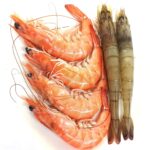
BLACK TIGER BRINE FROZEN 6x2kg Premium Black Tiger Brine Frozen Shrimp in 6x2kg from India Exquisite Taste of the Indian […]
See Our products
BLACK TIGER HOSO 2/4 to 30/40 BAG 800g Premium HOSO Black Tiger Shrimp in 800g Bag from India Elegance of […]
See Our productsCertification program provided by the Aquaculture Stewardship Council (ASC), an independent, international non-profit organization that provides assurance to consumers that the shrimp or other aquaculture products they purchase have been produced in a responsible and sustainable manner.
Description:
The Atlantic Red Shrimp, commonly known as “Alistado,” is one of the most prized species in Spanish cuisine, especially in the Mediterranean. Scientifically identified as Aristeus antennatus, this shrimp is recognized for its intense red color and exquisite flavor.
Aquaculture or Fishing:
The Red Shrimp is exclusively caught through deep-sea fishing, primarily in the Atlantic and the western Mediterranean. Due to the difficulty of its capture, it is a high-value product on the market.
Characteristics:
Commercial Importance:
The Red Shrimp is highly valued in gourmet markets, being a star product in Mediterranean cuisine. Its limited catch increases its value and demand in high-end restaurants and markets.
Geographical Distribution:
It is primarily found in the Atlantic and western Mediterranean, especially along the coasts of Spain, Morocco, and Portugal.
Name Differences:
Known as “Gamba Roja Alistado” in many areas of Spain, Aristeus antennatus is the preferred scientific name in the international seafood industry.
Distinctive Features:
We are always looking for new partners. If you are looking for or selling products, please contact us!