Glossary

HACCP

HACCP (Hazard Analysis and Critical Control Points) is a management system that addresses food safety through the identification, evaluation, and control of physical, chemical, and biological hazards from production to consumption. In the fishing industry, HACCP is crucial to ensure that seafood products are safe for consumption.

Principles of HACCP in Fishing

The HACCP system is based on seven essential principles:

  1. Hazard Analysis
    • Identify potential hazards at each stage of the production and distribution chain of seafood products, from capture to commercialization.
  2. Identification of Critical Control Points (CCPs)
    • Determine points in the process where hazards can be prevented, eliminated, or reduced to acceptable levels.
  3. Establishment of Critical Limits
    • Define acceptable limits for each CCP, such as temperature, time, pH, etc., to ensure the control of identified hazards.
  4. Monitoring of CCPs
    • Implement procedures to monitor CCPs and ensure they remain within critical limits.
  5. Corrective Actions
    • Establish actions to be taken when monitoring indicates that a CCP is not under control, preventing unsafe products from reaching consumers.
  6. Verification Procedures
    • Apply methods and procedures, such as audits and tests, to confirm that the HACCP system is working effectively.
  7. Documentation and Record Keeping
    • Maintain detailed records of all activities related to HACCP, including hazard analysis, critical limits, monitoring, corrective actions, and verifications.

Importance of HACCP in Fishing

Food Safety

  • HACCP helps ensure that seafood products are safe for consumption, minimizing the risk of foodborne illnesses.

Regulatory Compliance

  • Compliance with HACCP is mandatory in many countries, aligning with international and national food safety regulations.

Consumer Confidence

  • A well-implemented HACCP system increases consumer confidence in the safety and quality of seafood products.

Loss Reduction

  • By identifying and controlling hazards, HACCP reduces the amount of contaminated or unfit products, decreasing economic losses for producers and distributors.

Conclusion

HACCP is a critical system in the fishing industry to ensure the safety and quality of seafood products. Effective implementation protects consumer health, complies with regulations, and improves the efficiency and reputation of fishing operations.

ENVIRONMENT AND HABITAT

HARMONIZED SYSTEM (HS) CODE

An internationally standardized system of names and numbers to classify traded products, used in customs declarations.

PACKAGING AND LABELING

HARVEST

In the context of shrimp, “harvest” refers to the process of collecting shrimp from their natural habitat or aquaculture systems for commercial purposes. Farmers typically harvest shrimp when they reach the desired size and quality for consumption or processing. This process involves several steps to ensure efficient collection with minimal stress or damage to the shrimp.

In aquaculture systems, farmers begin harvesting by draining ponds or tanks to concentrate the shrimp in a smaller area. They then use nets or specialized equipment to gather the shrimp. After collection, farmers place the shrimp in containers with clean water to maintain their quality. In natural habitats, fishermen harvest shrimp using trawl nets or other fishing gear designed to minimize bycatch and environmental impact.

After harvesting, workers sort and grade the shrimp by size and quality. This step ensures that only the best shrimp reach the market. The shrimp are then sold fresh, frozen, or processed into various products like shrimp cocktails, breaded shrimp, or shrimp paste.

FARMING PRACTICES

HARVESTING

The process of collecting mature shrimp from ponds or farming systems for commercialization or processing.

FARMING PRACTICES

HATCHERY

A “hatchery” in the shrimp aquaculture industry refers to a specialized facility designed for the breeding and early rearing of shrimp. It is a crucial component in the shrimp production chain, responsible for producing shrimp larvae and postlarvae, which are the early developmental stages of these crustaceans before they are transferred to larger grow-out ponds.

Here are some key aspects related to shrimp hatcheries in aquaculture:

  1. Controlled Reproduction: Hatcheries enable precise control over the shrimp breeding process. This involves maintaining broodstock under optimal conditions and manipulating environmental factors such as water temperature and salinity to induce reproduction.
  2. Egg Incubation: In the hatchery, shrimp eggs are collected and carefully incubated under controlled conditions. Constant monitoring of water conditions and specific larval feeds are provided during development.
  3. Larval Care: When the larvae hatch from the eggs, they require continuous care. The hatchery provides a suitable environment for their early growth, including feeding and protection against predators.
  4. Genetic Selection: Some hatcheries engage in genetic selection programs to breed shrimp with desirable traits, such as size, color, and disease resistance.
  5. Sanitary Control: Hatcheries also play a significant role in disease control. Stringent measures are implemented to prevent the spread of diseases among the larvae and to ensure that the cultured shrimp are healthy.
  6. Transfer to Grow-Out Ponds: Once the postlarvae reach a certain size and development stage, they are transferred to larger grow-out ponds where they continue their growth until reaching the desired size for commercial purposes.
  7. Contributing to Sustainability: Hatcheries can contribute significantly to the sustainability of shrimp aquaculture by reducing pressure on wild populations through controlled captive production.

In summary, hatcheries are critical facilities in shrimp aquaculture where controlled reproduction and early rearing of shrimp take place, contributing to sustainable and high-quality shrimp production in the aquaculture industry.

FARMING PRACTICES

HEAD OF SHRIMP

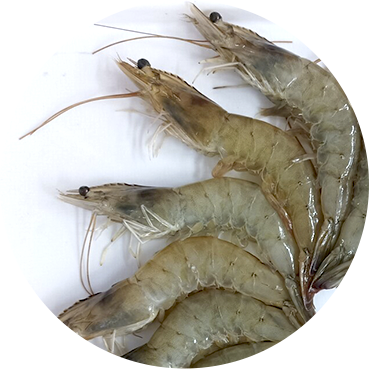
The front portion of the shrimp’s body, containing the eyes, antennae, and mouthparts.
SHRIMP FEATURES

HOSO

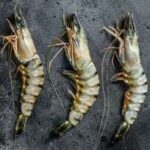
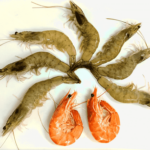
Whole shrimp / HOSO: Head On, Shell On
PRODUCT TYPES

Huelva White Shrimp (Parapenaeus longirostris)

Description:

The Huelva White Shrimp, scientifically known as Parapenaeus longirostris, is one of the most emblematic species from the southern coast of Spain. Its soft, delicate flesh makes it a favorite in Andalusian cuisine.

Aquaculture or Fishing:

This species is exclusively caught in the Gulf of Cádiz. Its production relies on wild capture, ensuring the product’s freshness and quality.

Characteristics:

  • White or light pink in color, it ranges in size from 10 to 18 cm.
  • Known for its tender meat and mild, delicate flavor.
  • Ideal for fresh consumption, grilled, or boiled.

Commercial Importance:

The Huelva White Shrimp is one of the most sought-after seafood products in local Andalusian markets and has a growing demand in the international market, especially in Europe.

Geographical Distribution:

Native to the eastern Atlantic, it is especially abundant along the coasts of Huelva and the Gulf of Cádiz.

Name Differences:

Often simply referred to as “White Shrimp” in Andalusia, Parapenaeus longirostris is the scientifically accepted name.

Distinctive Features:

  • Its fishing is concentrated along the Huelva coast, making it a product of significant local importance.
  • Its mild and delicate flavor sets it apart from other, more intense shrimp varieties.
SHRIMP SPECIES

HLSO

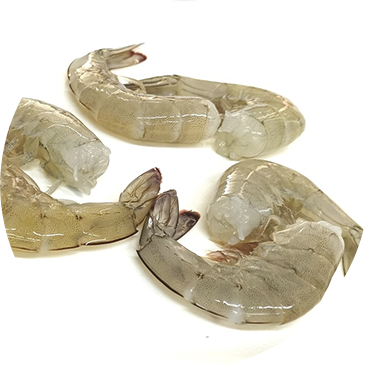
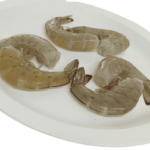
Shrimp Tail / HLSO: Head Less, Shell On.
PRODUCT TYPES

Subscribe to Vannamei Tips

Are you in the Vannamei Business?

We are always looking for new partners. If you are looking for or selling products, please contact us!