Glossary

PACKERS (PACKAGING COMPANY)

Refers to companies or service providers that specialize in packaging and preparing goods for shipment. These companies offer packaging services, including selecting appropriate packaging materials, packing products securely, labeling, and ensuring compliance with shipping regulations and requirements. Packers play a crucial role in ensuring that goods are properly protected during transportation and arrive at their destination in good condition

INDUSTRY TERMS

PACKING LIST

A document that itemizes the contents of each package or shipment, including details such as the number of units, weight, dimensions, and packaging type.

REQUIRED DOCUMENTS

PAYMENT IN INSTALLMENTS

A payment arrangement where the total payment for the exported goods is divided into multiple installments to be paid over a specified period.

PAYMENT TERMS

PAYMENT TERMS

The agreed-upon terms and conditions regarding the payment for exported goods between the exporter and the importer.

PAYMENT TERMS

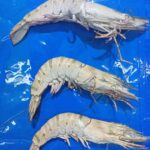
PENAEUS MONODON

Penaeus monodon, commonly known as the Giant Tiger Prawn or Asian Tiger Shrimp, is a remarkable and highly sought-after species in the world of aquaculture and the seafood industry. This impressive shrimp species is recognized for its notable size, distinctive appearance, and delectable taste.

The Giant Tiger Prawn stands out with its imposing size, often reaching larger dimensions compared to many other shrimp species. Its body features a striking pattern of bold black stripes running along its shell, which gives it its distinctive and visually appealing look.

Culinarily, Penaeus monodon is celebrated for its succulent and flavorful meat. Its robust texture and slightly sweet taste make it a favored ingredient in numerous seafood dishes and cuisines worldwide.

Cultivation of Penaeus monodon typically involves specialized systems such as ponds and controlled aquaculture facilities. This allows producers to carefully manage the shrimp’s growth conditions, ensuring the quality and health of the shrimp throughout its development.

Despite its culinary popularity, there is also a strong emphasis on sustainable farming practices for Penaeus monodon. Efforts are made to minimize the environmental impact and conserve the natural populations of this species.

In summary, Penaeus monodon, or the Giant Tiger Prawn, is a highly valued and visually striking shrimp species known for its impressive size, distinctive black stripes, and delicious meat. Its presence in global cuisine makes it a prized seafood item, and efforts toward sustainable cultivation ensure its continued availability and ecological responsibility.

SHRIMP SPECIES

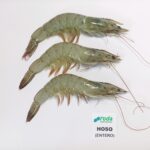
PENAEUS VANNAMEI

Penaeus vannamei, scientifically recognized as Litopenaeus vannamei, is a prominent and extensively farmed shrimp species in the aquaculture and seafood sectors. It is renowned for its adaptability, rapid growth, and delightful flavor, making it a cherished ingredient in various culinary traditions.

This shrimp species is distinguished by its translucent, pale body, which is the source of its name. It is prized for its gentle, slightly sweet taste, appealing to both seafood aficionados and professional chefs. Its culinary versatility allows for a wide range of delectable preparations.

One of the standout attributes of Penaeus vannamei is its impressive growth rate. It can quickly reach marketable sizes, contributing significantly to its widespread use in aquaculture. This species exhibits adaptability to various environmental conditions, enabling farming in diverse global regions.

Aquaculture practices for Penaeus vannamei often involve controlled systems such as ponds and specialized tanks. These systems ensure precise control over growth conditions, promoting the well-being of the shrimp. Penaeus vannamei plays a pivotal role in meeting the global demand for shrimp, making it a substantial contributor to the seafood industry.

Ongoing efforts are dedicated to the development of sustainable farming techniques for Penaeus vannamei, aimed at minimizing environmental impacts and guaranteeing the long-term availability of this beloved seafood choice.

In summary, Penaeus vannamei, or the Pacific White Shrimp, is a highly adaptable shrimp species recognized for its subtle flavor, rapid growth, and versatility in culinary applications. Its presence in diverse cuisines and aquaculture practices underscores its significance in the seafood industry, with a strong commitment to sustainability for future generations.


SHRIMP SPECIES

POMADA TITI SHRIMP

Scientific name: Protrachypene precipua

Species of wild marine shrimp native to Ecuador

PRODUCT TYPES

POND CULTURE

Pond Culture is The method of farming Vannamei shrimp in large earthen ponds. Shrimp are stocked in these ponds, where they grow and develop until they reach marketable size.

FARMING PRACTICES

PORT INFRASTRUCTURE

Facilities and structures used in ports for the storage, loading, and unloading of shrimp shipments.

SHIPPING AND LOGISTICS

POSTLARVAE

The term “Postlarvae” refers to the early stage of shrimp development, immediately following the larval stage. These postlarvae are juvenile shrimp that have completed their larval stage and are progressing toward their adult form. Here are some key aspects related to the term “Postlarvae”:

  1. Early Development: Postlarvae are young shrimp that have surpassed the larval stage and are in an early developmental phase. During this stage, they undergo rapid growth and morphological changes.
  2. Small Size: Postlarvae are small in size, typically measuring only a few millimeters in length. Their small size makes them vulnerable to predators and adverse environmental conditions.
  3. Aquaculture: In shrimp aquaculture, postlarvae are a critical stage as they serve as the starting point for shrimp rearing in ponds and farms. They are raised in controlled systems until they reach a suitable size for commercial purposes.
  4. Feeding: Shrimp postlarvae are generally herbivorous and feed on microorganisms in the water. As they grow, their diet may change and adapt to different food sources.
  5. Importance in the Industry: Postlarvae of shrimp hold significant importance in the aquaculture industry as they represent the future of shrimp production. The quality of postlarvae influences the success of shrimp farming in aquaculture facilities.
  6. Special Care: During the postlarval stage, optimal water conditions and nutrition are required to ensure healthy and uniform growth. Water quality and nutrition are critical to their development.
  7. Transition to Juveniles: As postlarvae grow and develop, they transition to the next stage of their life cycle, becoming juvenile shrimp. This transition is a significant milestone in shrimp production in aquaculture.
  8. Research and Improvement: Ongoing research focuses on the breeding and development of shrimp postlarvae with the goal of enhancing the quality and survival rates of these early stages in aquaculture.

In summary, shrimp postlarvae represent a critical stage in shrimp aquaculture production and require specific care to ensure proper growth and development in the aquaculture industry.

FARMING PRACTICES

Subscribe to Vannamei Tips

Are you in the Vannamei Business?

We are always looking for new partners. If you are looking for or selling products, please contact us!