Glossary

NAUPLIO (NAUPLIUS)

“Nauplio” or “Nauplius” refers to the larval stage of shrimp, including Vannamei shrimp (Litopenaeus vannamei). After hatching from eggs, shrimp larvae go through several developmental stages, and the nauplius stage is one of the earliest stages in their life cycle.

FARMING PRACTICES

NECK MEAT (TIE)

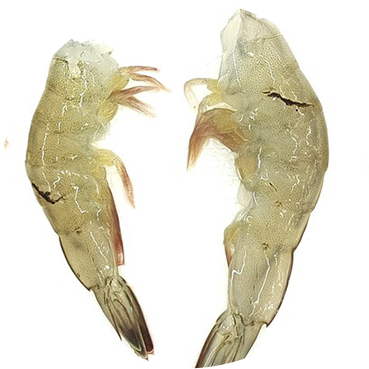
The “Neck Meat” refers to the part of the shrimp’s body where the head joins the thorax or abdomen. This area is characterized by a transition in texture and color compared to other parts of the shrimp. It is an important area both in terms of visual appearance and the quality of the shrimp’s meat.

Improper processing or handling can result in damage or discoloration of the meat in the tie, which affects the appearance and overall quality of the shrimp.

Therefore, it is crucial to handle this part of the shrimp carefully during all stages of handling, from harvest to final processing.

SHRIMP DEFECTS

NET WEIGHT

Net weight is a critical factor in shrimp farming, referring to the weight of shrimp excluding any additional substances, such as ice glaze or packaging materials. For businesses involved in shrimp aquaculture and export, understanding and accurately measuring net weight is essential to ensure compliance with regulations and maintain product integrity.

Importance of Net Weight

Accurately determining the net weight of shrimp is crucial for several reasons. First, it ensures transparency and honesty in trade, providing buyers with a clear understanding of the amount of product they are purchasing. Additionally, it helps in compliance with international trade regulations, which often mandate specific labeling requirements regarding net weight. Finally, accurate net weight measurements support fair pricing and prevent disputes between buyers and sellers.

Key Factors in Determining Net Weight

Removal of Ice Glaze

Shrimp are often coated with an ice glaze to preserve freshness during freezing. However, this glaze adds extra weight. To determine the net weight, the ice glaze must be removed, ensuring that the weight recorded is solely that of the shrimp.

Exclusion of Packaging Materials

Net weight excludes any packaging materials. This includes containers, wraps, or any other materials used for storage and transportation. The focus is purely on the shrimp’s weight.

Standardized Measurement Practices

Adopting standardized measurement practices is essential for accuracy. This involves using calibrated scales and following consistent procedures for weighing shrimp after removing any non-shrimp elements.

Best Practices for Measuring Net Weight

Calibration of Scales

Regular calibration of weighing scales ensures accuracy. Using certified and calibrated scales helps maintain consistency in weight measurements, meeting regulatory standards.

Proper Handling Techniques

Handling shrimp properly during the weighing process prevents damage and ensures accurate measurements. Gentle handling minimizes weight loss due to shrimp dehydration or damage.

Documentation and Traceability

Maintaining detailed records of net weight measurements enhances traceability and accountability. Proper documentation helps resolve any disputes and ensures compliance with trade regulations.

Compliance with Regulations

International Standards

Adhering to international standards for net weight ensures compliance with global trade regulations. Many countries have specific requirements for how net weight should be measured and labeled.

Accurate Labeling

Labels must clearly indicate the net weight of the shrimp. This transparency builds trust with buyers and meets regulatory requirements, facilitating smooth trade operations.

Conclusion

Net weight is a fundamental aspect of shrimp farming and export, ensuring transparency, compliance, and fair trade practices. By accurately measuring and documenting the net weight, shrimp farmers and exporters can provide high-quality, reliable products to the market. Adhering to best practices and regulatory standards supports the integrity and sustainability of the shrimp industry.

PACKAGING AND LABELING

NURSERY

Initial phase of shrimp farming where shrimp are raised in small tanks or ponds before being transferred to larger grow-out areas.

FARMING PRACTICES

NUTRITIONAL VALUE

The content of essential nutrients, vitamins, and minerals present in shrimp, making them a healthy and nutritious option in the human diet.
ENVIRONMENT AND HABITAT

NUTRITIONAL VALUE OF SHRIMP

Shrimp is a highly nutritious seafood, offering numerous health benefits due to its rich nutrient profile. This versatile ingredient is not only delicious but also packed with essential nutrients that support overall health.

High-Quality Protein

Shrimp is an excellent source of high-quality protein. A 3-ounce serving of shrimp provides about 20 grams of protein, essential for muscle growth and repair. This lean protein source is low in fat, making it an ideal choice for those looking to maintain or lose weight.

Rich in Vitamins and Minerals

Shrimp is loaded with essential vitamins and minerals. It is particularly high in vitamin B12, which supports nerve health and red blood cell formation. Additionally, shrimp contains significant amounts of phosphorus, iodine, and selenium. Iodine is crucial for thyroid function, while selenium acts as an antioxidant, helping protect cells from damage.

Omega-3 Fatty Acids

Despite being low in fat, shrimp contains beneficial omega-3 fatty acids. These healthy fats are known for their anti-inflammatory properties and play a vital role in heart health. Omega-3s can help reduce the risk of cardiovascular diseases by lowering blood pressure and improving cholesterol levels.

Low in Calories

Shrimp is low in calories, with only about 84 calories per 3-ounce serving. This makes it an excellent option for calorie-conscious individuals who do not want to compromise on nutrition. Its high protein content also promotes satiety, helping to control appetite and support weight management.

Antioxidant Properties

Shrimp contains astaxanthin, a powerful antioxidant that gives it its pink color. Astaxanthin has been shown to reduce inflammation and oxidative stress, potentially lowering the risk of chronic diseases.

Conclusion

The nutritional value of shrimp makes it a valuable addition to a balanced diet. Its high protein, essential vitamins, and beneficial omega-3 fatty acids contribute to numerous health benefits. Including shrimp in your meals can support overall health while providing a delicious and versatile ingredient.

ENVIRONMENT AND HABITAT

NECROSIS

Necrosis in shrimp refers to the presence of black spots (dots and streaks) and lacerations on the shrimp’s body, typically caused by bacterial infections. There are three levels of necrosis:

• Mild necrosis: Characterized by minimal black spots or streaks on the shrimp’s body, often localized and not extensive.

• Moderate necrosis: Involves a more pronounced presence of black spots and streaks, covering a larger area of the shrimp’s body surface.

• Severe necrosis: Exhibits extensive and severe black spots, dots, and streaks throughout the shrimp’s body, indicating advanced bacterial damage.

SHRIMP DEFECTS

Subscribe to Vannamei Tips

Are you in the Vannamei Business?

We are always looking for new partners. If you are looking for or selling products, please contact us!