Glossary

FAO

FAO stands for the Food and Agriculture Organization of the United Nations. It is an international organization that works to eliminate hunger, promote sustainable agriculture, and improve food security worldwide.
CERTIFICATIONS

FARMED SHRIMP

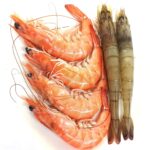
The term “Farmed Shrimp” refers to shrimp that are raised in controlled environments specifically designed for their optimal growth. This approach is essential to ensure the availability of high-quality shrimp in the market. Here are some key aspects related to shrimp cultivation:

  1. Controlled Environment for Growth: Shrimp cultivation takes place in carefully controlled aquatic systems such as ponds and cultivation systems, where factors like temperature, salinity, and water quality are regulated to create a conducive environment for shrimp development.
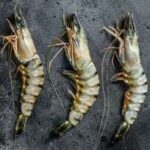
  2. Variety of Species: In shrimp cultivation, different species are raised, with vannamei shrimp and black tiger shrimp being two of the most common varieties due to their high demand in the market.
  3. Specialized Nutrition: Cultivated shrimp receive specially formulated diets to meet their nutritional needs, promote healthy growth, and ensure the quality of the final product.
  4. Health Management: Disease control and prevention are crucial in shrimp cultivation, and management practices are applied to maintain the health of the crops.
  5. Water Quality: Constant monitoring of water quality in cultivation systems is conducted, and filtration systems are used to maintain an optimal environment for shrimp.
  6. Sustainability: Shrimp cultivation focuses on sustainable practices that minimize environmental impact and ensure the ongoing availability of high-quality shrimp.
  7. Growth Process: Shrimp are cultivated until they reach the desired size and quality for marketing in local and international markets.
  8. Global Market: The production of cultivated shrimp satisfies the growing demand for fresh and frozen shrimp worldwide, contributing to the economy and the availability of high-quality food.

In conclusion, shrimp cultivation is an essential process to ensure the availability of high-quality shrimp in the global market, with a focus on sustainability and quality control at all stages of the cultivation process.

FARMING PRACTICES

FCA (Free Carrier)

An Incoterm where the seller delivers the goods to a carrier or nominated party specified by the buyer at a named place, and the buyer assumes responsibility for transportation costs and risks from that point.

INCOTERMS

FDA

FDA stands for the U.S. Food and Drug Administration. It is a regulatory agency of the United States Department of Health and Human Services responsible for protecting and promoting public health through the regulation and supervision of various products, including food, drugs, medical devices, vaccines, cosmetics, and more.
CERTIFICATIONS

FEED EFFICIENCY

Measure of the ability of shrimp to convert feed into body mass, influencing the profitability and sustainability of the culture.

FEED AND NUTRITION

FISHERY CERTIFICATION

Fishery certification is a process by which a shrimp fishery is assessed and certified for meeting sustainability standards and good practices. For shrimp farming businesses, obtaining certification is crucial for demonstrating their commitment to environmental stewardship, social responsibility, and high-quality products.

Importance of Fishery Certification

Fishery certification ensures that shrimp farming operations adhere to sustainable practices, protecting marine ecosystems and ensuring long-term viability. Certified fisheries gain a competitive advantage in the market by meeting the growing consumer demand for responsibly sourced seafood. Certification also enhances transparency and traceability, building trust with buyers and regulators.

Key Certification Programs in Shrimp Farming

Marine Stewardship Council (MSC)

The MSC certification is one of the most recognized standards for sustainable fishing. It assesses fisheries based on three core principles: sustainable fish stocks, minimizing environmental impact, and effective management. Shrimp fisheries certified by the MSC demonstrate a commitment to sustainable practices that protect marine biodiversity.

Aquaculture Stewardship Council (ASC)

The ASC certification focuses on responsible aquaculture practices. It covers a range of criteria, including environmental sustainability, social responsibility, and food safety. For shrimp farming, the ASC certification ensures that operations minimize their environmental footprint, treat workers fairly, and produce safe, high-quality shrimp.

Best Aquaculture Practices (BAP)

BAP certification is a comprehensive program that addresses various aspects of aquaculture, including environmental responsibility, social accountability, animal welfare, and food safety. Shrimp farms certified by BAP follow stringent standards to ensure sustainable and ethical practices throughout their operations.

Global Aquaculture Alliance (GAA)

The GAA promotes responsible aquaculture through its certification programs. It sets rigorous standards for environmental and social performance, ensuring that certified shrimp farms operate sustainably and ethically.

Process of Fishery Certification

Assessment

The certification process begins with an assessment of the shrimp fishery or farm. Independent auditors evaluate the operations against specific criteria related to sustainability, environmental impact, and social responsibility.

Implementation of Improvements

If the initial assessment identifies areas for improvement, the fishery must implement necessary changes to meet certification standards. This may involve adopting new practices, technologies, or management strategies.

Certification and Auditing

Once the fishery meets the required standards, it receives certification. Regular audits ensure ongoing compliance with certification criteria, maintaining the credibility and integrity of the certification.

Benefits of Fishery Certification

Market Access

Certified fisheries gain access to premium markets that demand sustainably sourced seafood. Certification can open doors to new customers and increase sales.

Consumer Trust

Certification signals to consumers that the shrimp they purchase is responsibly sourced. This builds trust and loyalty, enhancing the brand’s reputation.

Environmental and Social Responsibility

Certified fisheries contribute to the conservation of marine ecosystems and the well-being of local communities. Certification ensures that shrimp farming practices are environmentally and socially responsible.

Conclusion

Fishery certification is essential for promoting sustainable and ethical shrimp farming practices. By obtaining certifications like MSC, ASC, BAP, and GAA, shrimp farmers can demonstrate their commitment to sustainability, access premium markets, and build consumer trust. Adhering to certification standards ensures the long-term viability of shrimp farming operations and the health of marine ecosystems.

CERTIFICATIONS

FISHERY REGULATIONS

Rules and regulations implemented by governing bodies to manage and govern shrimp fishing activities, ensuring sustainability and responsible practices.

ENVIRONMENT AND HABITAT

FISHERY RESOURCES

Definition

Fishery Resources refer to the abundance and availability of various seafood species, including shrimp, in a specific geographical area. These resources are vital for sustaining both commercial and subsistence fishing activities.

Components of Fishery Resources

Abundance of Species

Fishery Resources involve assessing the population size and density of aquatic species within a defined area. This assessment includes shrimp and a wide range of fish, shellfish, and other marine organisms.

Biodiversity

The diversity of species and their ecological interactions are crucial. It considers different species’ roles in the ecosystem and their interdependence.

Availability

Availability refers to the temporal and spatial distribution of fishery resources. It considers seasonal migrations, spawning locations, and nurseries essential for sustaining fish populations.

Sustainability

Evaluating sustainability ensures the long-term viability of fishery resources. Sustainable practices manage fish stocks to prevent overfishing and environmental degradation.

Management

Effective management measures, including regulations and quotas, protect and sustain fishery resources. These measures aim to balance resource utilization and conservation.

Importance of Fishery Resources

Food Security

Fishery resources contribute significantly to global food security. They provide a vital source of protein and essential nutrients for millions of people worldwide.

Economic Impact

Fishery resources support the livelihoods of millions. They benefit small-scale artisanal fishermen and large commercial fishing operations. Additionally, the seafood industry generates substantial economic value.

Ecosystem Health

Sustainable management of fishery resources maintains the health and balance of marine ecosystems.

Cultural Significance

In many coastal communities, fishing traditions are deeply rooted in culture and heritage, making fishery resources culturally significant.

Challenges Facing Fishery Resources

Despite their importance, fishery resources face various challenges, including overfishing, habitat destruction, pollution, and climate change. Addressing these challenges requires international cooperation, science-based management practices, and conservation efforts.

Conclusion

Fishery Resources include a rich diversity of aquatic life forms, such as shrimp, and are essential for food security, economies, ecosystems, and cultures worldwide. Their sustainable management and conservation are crucial for the well-being of present and future generations.

By incorporating these elements, we can ensure that fishery resources are used responsibly and preserved for future generations. Sustainable practices, effective management, and international cooperation are key to achieving this goal.


ENVIRONMENT AND HABITAT

FLAVOR OF SHRIMPS

The taste profile of shrimp, which can be delicate, sweet, mild, or even slightly briny, depending on the species and how it’s prepared.

SHRIMP FEATURES

FREIGHT

Refers to goods or cargo that is transported by various modes of transportation, such as ships, airplanes, trucks, or trains. It represents the commercial movement of goods from one location to another, typically involving the payment of transportation charges or fees.

SHIPPING AND LOGISTICS

Subscribe to Vannamei Tips

Are you in the Vannamei Business?

We are always looking for new partners. If you are looking for or selling products, please contact us!