Glossary

LABELING

Labeling refers to the process of applying labels or tags to products or packaging to provide information, identification, or instructions.

PACKAGING AND LABELING

LARVICULTURE

Larviculture involves rearing and cultivating shrimp larvae in controlled facilities until they reach the postlarval stage. This critical stage in shrimp farming ensures the production of healthy and robust shrimp. The process begins when farmers collect shrimp eggs and fertilize them in specialized tanks.

Once hatched, farmers transfer the larvae to rearing tanks and provide optimal conditions for growth. They maintain precise water quality, temperature, and salinity levels. The larvae receive a nutritious diet of microalgae and specialized feed to promote rapid development.

Farmers must vigilantly prevent disease and stress during larviculture. They perform regular health checks and implement biosecurity measures to keep the larvae healthy. As the larvae grow, they molt several times before reaching the postlarval stage, ready for transfer to grow-out facilities.

Mariculture, which involves cultivating shrimp and other aquatic organisms in marine or coastal environments, complements larviculture. Estuaries and bays offer ideal conditions for mariculture, allowing shrimp to mature in a natural yet controlled setting. This integrated approach ensures a steady supply of high-quality shrimp for commercial purposes, supporting both the industry and the environment.

FARMING PRACTICES

LEGS AND APPENDAGES

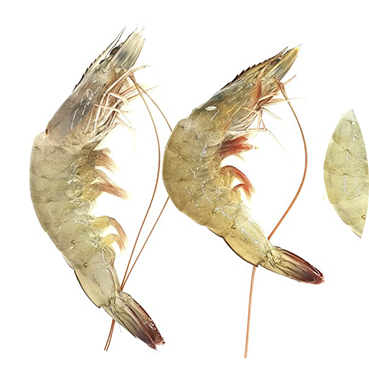
The various limbs and appendages of the shrimp, including walking legs, swimming legs, and specialized appendages like the pincers.

SHRIMP FEATURES

LETTER OF CREDIT (LC)

A Letter of Credit (LC) is a financial instrument in shrimp trade. Issued by a bank on behalf of the importer, it guarantees payment to the exporter once specified conditions, such as the presentation of required documents, are fulfilled. This method provides security to both parties: the exporter is assured of payment upon compliance with the terms, while the importer ensures that payment is made only when conditions are met.


PAYMENT TERMS

LITOPENAEUS VANNAMEI

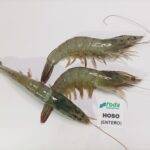
Litopenaeus vannamei, commonly known as the Pacific White Shrimp, is a highly significant and widely cultivated species in the aquaculture industry. This shrimp species is renowned for its excellent taste, adaptability, and contribution to global seafood production.

The Pacific White Shrimp features a striking appearance with a translucent, pale body and a distinctive blue-green tint along its back, giving it a unique and attractive visual appeal. This shrimp species has become a favorite among consumers and chefs for its mild, slightly sweet flavor and tender, succulent flesh.

One of the key advantages of cultivating Litopenaeus vannamei is its remarkable growth rate and adaptability to various environmental conditions. This shrimp species can thrive in a range of water temperatures and salinities, making it suitable for aquaculture operations in different parts of the world.

Aquaculture practices for Litopenaeus vannamei typically involve pond or tank farming. Farmers carefully manage water quality, temperature, and nutrition to ensure optimal growth and health. This species has played a pivotal role in meeting the global demand for shrimp, contributing significantly to the seafood industry.

Due to its economic importance and popularity, ongoing research and innovation focus on sustainable farming methods for Litopenaeus vannamei to reduce the environmental impact of shrimp production.

In summary, Litopenaeus vannamei, or the Pacific White Shrimp, is a highly prized and visually appealing shrimp species known for its delicate flavor and adaptability. Its widespread cultivation has made it a staple in the seafood industry, and its potential for sustainable farming continues to drive innovation in aquaculture practices.

SHRIMP SPECIES

LIVE FROZEN SHRIMP

Live frozen shrimp is a premier choice in the seafood industry, offering unmatched freshness, quality, and nutritional benefits. This method involves freezing shrimp while they are still alive, ensuring maximum preservation of their natural qualities.

Superior Freshness and Quality

Live frozen shrimp maintains superior freshness compared to other preservation methods. By freezing shrimp immediately after harvest, the natural taste, texture, and nutritional value are locked in. This process effectively halts the growth of bacteria and other pathogens, ensuring a longer shelf life. The rapid freezing technique prevents the formation of large ice crystals, preserving the shrimp’s cellular structure and ensuring a firm and succulent texture upon thawing.

Nutritional Benefits

Live frozen shrimp retains a robust nutritional profile, making it a healthy choice for consumers. Shrimp is a high-quality protein source, rich in essential amino acids, vitamins, and minerals such as vitamin B12, iodine, and selenium. These nutrients support vital bodily functions, including immune health and thyroid function. The freezing process preserves these nutrients, ensuring that live frozen shrimp is as nutritious as fresh shrimp.

Convenience and Availability

Live frozen shrimp offers unparalleled convenience. It is available year-round, independent of seasonal variations, and can be stored for extended periods without losing quality. This makes it an ideal ingredient for a wide range of culinary applications, from everyday meals to gourmet dishes. Additionally, live frozen shrimp is often pre-cleaned and deveined, saving preparation time and effort.

Safety and Sustainability

Freezing shrimp while alive enhances safety by preventing microbial growth. This method supports sustainability by reducing waste and ensuring efficient utilization of shrimp harvests. Many suppliers adhere to sustainable fishing practices and certifications, providing consumers with high-quality, environmentally responsible products.

Conclusion

Live frozen shrimp is a top-tier option for seafood enthusiasts, offering superior freshness, nutritional integrity, and convenience. Its ability to maintain high quality and safety, along with its year-round availability, makes it an excellent choice for diverse culinary uses. Embracing sustainable practices further highlights the benefits of live frozen shrimp.

PRODUCT TYPES

LOOSE HEAD

The condition of “loose head” occurs when the shrimp’s head is slightly detached from the tail.
This defect can result from rough handling during harvesting, processing, or transportation of the shrimp.
Although loose head does not directly affect the quality of the shrimp meat, it does reduce its commercial value due to the compromised visual appearance.
Additionally, this condition can accelerate product degradation by facilitating the entry of bacteria and other contaminants.
To prevent loose head, it is essential to handle shrimp carefully during all stages of the supply chain and maintain optimal temperature and storage conditions.

SHRIMP DEFECTS

Subscribe to Vannamei Tips

Are you in the Vannamei Business?

We are always looking for new partners. If you are looking for or selling products, please contact us!