We are always looking for new partners. If you are looking for or selling products, please contact us!
Glossary
ASC (Aquaculture Stewardship Council) is an independent, non-profit organization that operates a certification and labeling program for responsibly farmed seafood.
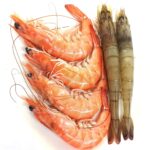
Vannamei Shrimp Vannamei Shrimp, also known as Pacific white shrimp, is a widely cultivated and[…]
See Our productsCertification program provided by the Aquaculture Stewardship Council (ASC), an independent, international non-profit organization that provides assurance to consumers that the shrimp or other aquaculture products they purchase have been produced in a responsible and sustainable manner.
Vannamei Shrimp Vannamei Shrimp, also known as Pacific white shrimp, is a widely cultivated and[…]
See Our productsBest Aquaculture Practices (BAP) is a certification program and standards system for responsible aquaculture practices. It is administered by the Global Aquaculture Alliance (GAA), a non-profit organization dedicated to promoting responsible aquaculture worldwide. The BAP certification program sets criteria and guidelines for aquaculture facilities to demonstrate responsible environmental, social, and animal welfare practices.
Vannamei Shrimp Vannamei Shrimp, also known as Pacific white shrimp, is a widely cultivated and[…]
See Our productsFAO stands for the Food and Agriculture Organization of the United Nations. It is an international organization that works to eliminate hunger, promote sustainable agriculture, and improve food security worldwide.
Vannamei Shrimp Vannamei Shrimp, also known as Pacific white shrimp, is a widely cultivated and[…]
See Our productsFDA stands for the U.S. Food and Drug Administration. It is a regulatory agency of the United States Department of Health and Human Services responsible for protecting and promoting public health through the regulation and supervision of various products, including food, drugs, medical devices, vaccines, cosmetics, and more.
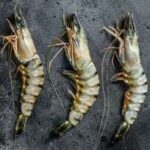
Black Tiger Shrimp Black Tiger Shrimp, also known as Penaeus monodon, is a highly sought-after[…]
See Our productsProcess by which a shrimp fishery is assessed and certified for meeting sustainability standards and good practices.
Vannamei Shrimp Vannamei Shrimp, also known as Pacific white shrimp, is a widely cultivated and[…]
See Our productsThe Global Aquaculture Alliance (GAA) is an international non-profit organization dedicated to promoting responsible aquaculture practices and the sustainable development of the aquaculture industry. Founded in 1997, the GAA works collaboratively with various stakeholders to address key issues and advance the environmental and social performance of aquaculture globally.
Vannamei Shrimp Vannamei Shrimp, also known as Pacific white shrimp, is a widely cultivated and[…]
See Our productsThe process of verifying and guaranteeing that shrimp have been farmed following organic and environmentally-friendly practices.
Black Tiger Shrimp Black Tiger Shrimp, also known as Penaeus monodon, is a highly sought-after[…]
See Our productsWe are always looking for new partners. If you are looking for or selling products, please contact us!